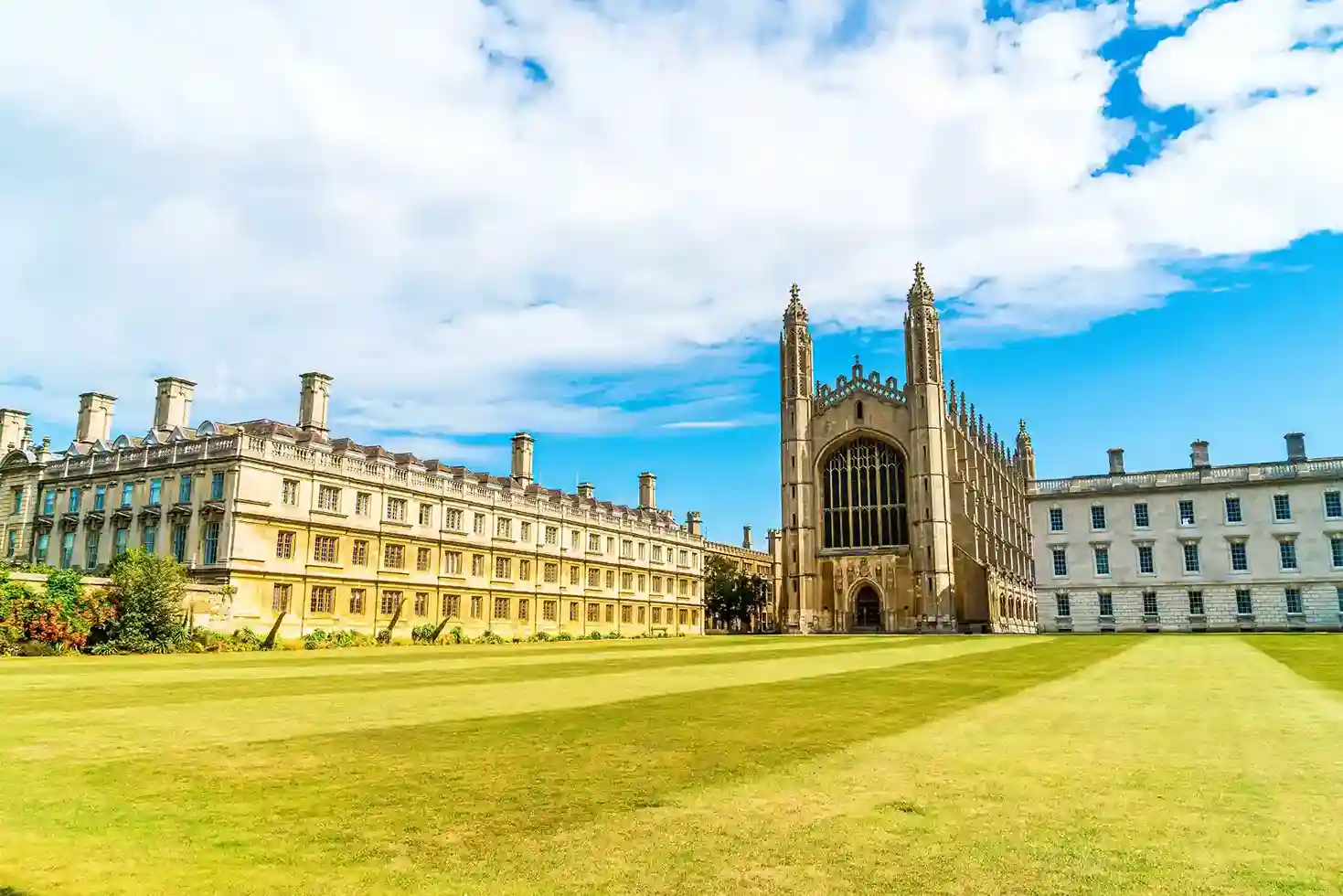
Studying in the UK continues to be a premier choice for international students seeking world-class academic excellence, vibrant multicultural exposure, and lucrative career opportunities. The UK is home to world-renowned universities and industry-aligned degree programmes. Planning your higher education journey in the UK for 2026 paves the way for professional success. So, here’s what you must know before you study in the UK.
Key highlights:
- Why Study in the UK?
- Top Universities in the UK
- Best Bachelor’s Courses in the UK
- Best Master’s Courses in the UK
- Tuition Fees and Cost of Living in the UK
- Eligibility to Study in the UK
- Career Scope After Studying in the UK

Why Study in the UK?
World-Renowned Universities & Diverse Offerings
The UK abroad study system has prestigious educational institutions delivering over 50,000 study programmes across more than 25 academic disciplines. This extensive selection gives you the flexibility to choose the best bachelor’s courses in the UK or the best master’s courses in the UK as per your area of interest and begin your academic journey.
Flexible Part-Time Work Permissions
With a valid study permit, you can gain practical experience by working up to 20 hours part-time per week during active academic terms. During scheduled university breaks and official holidays, you can take on full-time work.
Graduate Visa
If you study abroad in the UK you will be eligible for a Graduate Visa. With a Graduate Visa, you can remain in the country to gain work experience across any industry. Bachelor’s and Master’s graduates can stay for up to 18 months or 2 years, and doctoral graduates are eligible for a 3-year stay.
Top Universities in the UK
Here are the best universities to study in the UK as per the Quacquarelli Symonds (QS) World University Rankings and Times Higher Education (THE) World University Rankings.
- QS category: QS World University Rankings 2026 (UK-specific)
- THE category: World University Rankings 2026 (UK-specific)
| Sr. No. | Universities | QS rankings | THE Rankings |
|---|---|---|---|
| 1 | Imperial College London | 1 | 3 |
| 2 | University of Oxford | 2 | 1 |
| 3 | University of Cambridge | 3 | 2 |
| 4 | University College London (UCL) | 4 | 4 |
| 5 | King's College London | 5 | 6 |
| 6 | The University of Edinburgh | 6 | 5 |
| 7 | The University of Manchester | 7 | 8 |
| 8 | University of Bristol | 8 | 9 |
| 9 | The London School of Economics and Political Science (LSE) | 9 | 7 |
| 10 | University of Warwick | 10 | 14 |
Best Bachelor’s Courses in the UK
The duration of the bachelor's degree programmes to study in the UK for Indian students can be up to 3 years. Some popular bachelor's specialisations are:
- Business Management
- Mathematics
- Computer Science & Engineering
- Pharmacy
- Accounting and Finance
- International Relations
- Food & Health Science
- Applied Science
- Biotechnology
- Health
Best Master’s Courses in the UK
Master’s courses at top universities in the UK can come with a duration of 1-2 years. Some popular master’s specialisations are:
- Computer Science & Data Sciences
- Master of Business Administration
- Cybersecurity
- Artificial Intelligence
- Engineering & Technology
- Mass Communication
- Architecture, Building & Planning
- Education
- Finance and Investment
- Fashion and Design
Tuition Fees and Cost of Living in the UK
Tuition fees and living expenses in the UK may vary depending on the university, course, city and lifestyle.
Approximate Annual Tuition Fees by Qualification:
- Bachelor’s Degree: GBP 10,000 to GBP 20,000 per year
- Master’s Degree: GBP 10,000 to GBP 20,000 per year
- Doctoral (PhD) Degree: GBP 15,000 to GBP 24,000 per year
Approximate Monthly Living Expenses for International Students:
- Accommodation (Rent): GBP 500 to GBP 800
- Food & Groceries: GBP 150 to GBP 250
- Utilities (Gas, Electricity, Water, Internet): GBP 50 to GBP 100
- Local Transportation: GBP 40 to GBP 70
- Mobile & Internet Data: GBP 10 to GBP 30
Eligibility to Study in the UK
- Academic Qualifications: A 3-year undergraduate degree in a relevant field from a recognised educational institution.
- Entrance exams: Some universities may require Graduate Record Examination (GRE) or Graduate Management Admission Test (GMAT) scores.
- English Language Proficiency: Most UK universities require an English proficiency test such as the International English Language Testing System (IELTS).
Please remember, eligibility to study in the UK will vary depending on the university you select.
Career Scope After Studying in the UK
Studying in the UK is a fantastic decision for Indian students looking to build a promising career. A UK degree can attract lucrative job opportunities at top-tier employers, opening doors in lucrative fields like tech, finance, healthcare, data science, law, and business management.
Studying in the UK in 2026 offers world-class academic study programmes, a wide range of degree options, and extensive global career exposure. If only the lack of funds is creating a roadblock in your academic journey, you can opt for an abroad education loan.
At Avanse Global Finance, we offer education loans in foreign currencies such as GBP, eliminating the currency conversion costs. This helps you manage tuition fees, accommodation costs, living expenses, travel, and other education-related expenses while reducing the impact of currency conversion fluctuations.
Also Read: What you Must Know About Education Loan Documents